 Reviews



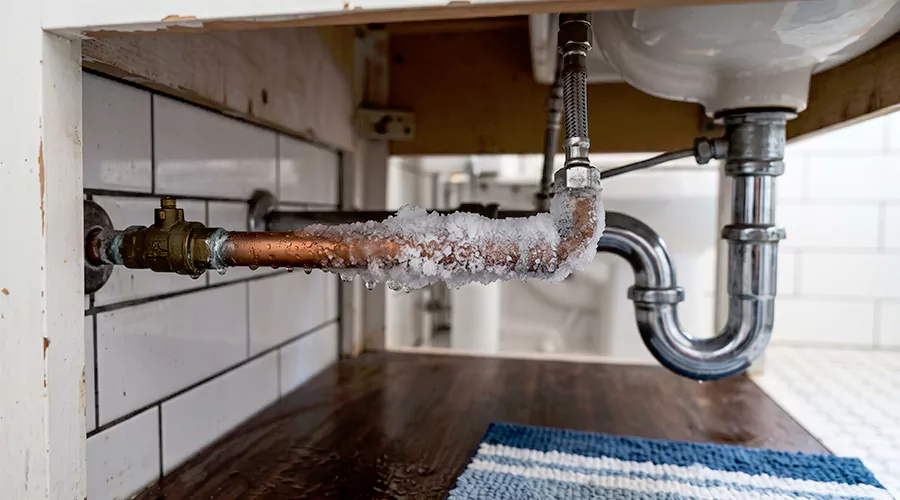
Your pipes are frozen because water inside them has been exposed to temperatures low enough for ice to form. Pipes in unheated spaces or exterior walls are particularly vulnerable. A pipe may freeze even when the rest of the home feels warm. Trenchless pipe repair can provide a minimally invasive option for repairing eligible underground or buried pipes without extensive excavation.
Water normally freezes at approximately 32°F. However, the outdoor temperature at which a household pipe freezes depends on its location and insulation. Some exposed pipes can freeze during prolonged periods when outdoor temperatures approach 20°F.
Understanding why the pipes froze helps identify which sections need protection before another cold period.
What Causes Household Pipes to Freeze?
Household pipes freeze when they lose heat faster than their surrounding environment can replace it. Exposed piping cools more quickly than plumbing located inside heated rooms. Poor insulation can increase heat loss while cold drafts create additional exposure.
Several factors contribute to freezing:
- Outdoor exposure: Pipes near exterior surfaces experience greater temperature changes.
- Unheated rooms: Garages and crawl spaces may become cold enough for ice to form.
- Insufficient insulation: Exposed sections lose heat more quickly.
- Cold drafts: Air movement carries heat away from vulnerable plumbing.
- Heating interruptions: Indoor temperatures can fall during power or heating failures.
- Extended cold weather: Long freezing periods allow more time for pipes to cool.
- Seasonal shutdown: Water remains inside plumbing serving an unheated building.
The American Red Cross identifies exterior walls and unheated interior areas as common locations for frozen household plumbing.
Which Household Pipes Freeze Most Often?
The pipes most likely to freeze are those located in areas with limited insulation or inadequate heating. Pipes installed against exterior walls may be vulnerable even when they are hidden inside the building. Exposed outdoor connections face additional risk.
The following comparison identifies common locations.
| Pipe Location | Main Risk Factor | Preventive Measure |
|---|---|---|
| Exterior wall | Cold exposure | Improve insulation |
| Unheated garage | Low surrounding temperature | Protect exposed piping |
| Crawl space | Cold air movement | Insulate vulnerable sections |
| Attic | Limited heating | Protect exposed water lines |
| Outdoor faucet | Direct exposure | Disconnect hoses and winterize |
| Kitchen cabinet | Cold exterior-wall cavity | Allow warm air circulation |
| Vacant building | Reduced heating | Follow winterization procedures |
The Red Cross recommends inspecting these locations before severe winter weather.
Why Do Pipes Freeze Even When the Heating Is On?
A heated home can still contain spaces cold enough for water pipes to freeze. Warm air does not always reach enclosed plumbing cavities or unheated service areas. A pipe installed near an exterior opening may experience temperatures much lower than the occupied room.
For example, a kitchen may remain comfortable while the supply pipes inside an exterior cabinet become unusually cold.
Closed cabinet doors can limit warm air circulation.
Other possible conditions include:
- An unsealed opening around a service pipe.
- Insulation installed in the wrong position.
- A cold draft passing through a wall cavity.
- Heating that does not reach the garage.
- A pipe running through an unheated attic.
The location of the pipe matters more than the thermostat reading alone.
Why Does Only One Faucet Stop Working?
One faucet may stop working when its dedicated supply line freezes while other parts of the plumbing remain warm. The affected line may run through an exterior wall or another vulnerable space. A local plumbing obstruction can produce a similar symptom.
Start by testing other household fixtures.
Compare hot-water flow with cold-water flow at the affected faucet.
If the cold side works but the hot side does not, the problem may involve the hot-water distribution line.
If both supplies are affected, the obstruction may lie farther upstream.
These observations narrow the possible location but do not confirm that ice is present.
A closed valve or another supply interruption can also stop water flow.
Can Hot-Water Pipes Freeze?
Hot-water pipes can freeze when they remain exposed to sufficiently cold conditions. The fact that they normally carry heated water does not protect them when hot water is not flowing. Water remaining inside the line gradually loses heat.
An unused bathroom is one possible example.
The hot-water pipe may run through an exterior wall and remain inactive overnight.
During prolonged freezing weather, the water inside the pipe can cool enough to freeze.
Both hot-water and cold-water lines require suitable protection in vulnerable locations.
The American Red Cross recommends insulating both types of supply piping in exposed areas.
What Temperature Causes Pipes to Freeze?
Pipe freezing depends on exposure time and the temperature immediately surrounding the plumbing. Water freezes at approximately 32°F under ordinary conditions. However, a household pipe surrounded by insulation may remain warmer than the outdoor air.
Conversely, a pipe exposed to moving cold air may cool rapidly.
The following conditions influence freezing risk:
- Outdoor temperature.
- Duration of the cold period.
- Pipe location.
- Insulation quality.
- Air movement.
- Surrounding indoor temperature.
- Frequency of water use.
There is no single outdoor temperature that guarantees every household pipe will freeze.
What Are the Warning Signs of Frozen Pipes?
Frozen plumbing often restricts water flow before any leak becomes visible. Several other supply problems can cause similar symptoms. Freezing becomes more plausible when reduced flow begins during severe cold and affects pipes in vulnerable locations.
Watch for these warning signs:
- Water flow becomes unusually weak.
- One faucet stops producing water.
- A hot-water line stops working independently.
- Frost appears on exposed plumbing.
- The problem begins during freezing weather.
- The affected pipe runs through an exterior wall.
- Other exposed plumbing develops similar symptoms.
- An outdoor faucet stops working.
- A pipe appears swollen or distorted.
- Water begins leaking when temperatures rise.
A visible crack or active leak means the problem has progressed beyond a simple frozen obstruction.
Why Can Frozen Pipes Burst?
An ice blockage can trap liquid water inside a pipe and create high pressure as additional freezing occurs. The resulting pressure can rupture a weak section. The failure may occur away from the frozen portion because pressure acts throughout the trapped liquid water.
The damage can remain hidden while ice prevents water movement.
When the ice melts, water may begin escaping through the rupture.
This explains why some homeowners discover a leak only after the weather becomes warmer.
A frozen pipe should be inspected after thawing even if no damage was visible initially.
How Can You Identify the Frozen Section?
A basic fixture survey can help narrow the affected section without opening walls. Compare water flow at nearby faucets and check exposed plumbing in vulnerable areas. Avoid forcing valves or applying heat until you have checked for visible damage.
Use this diagnostic sequence:
- Test the affected faucet.
- Check its hot and cold positions separately.
- Test another faucet in the same room.
- Compare a fixture elsewhere in the building.
- Identify the route of accessible supply piping.
- Inspect exposed sections for frost.
- Check the surrounding area for cold drafts.
- Locate the main water shutoff valve.
Do not assume that a completely dry faucet proves the nearby pipe is frozen.
A wider water-supply interruption must also be considered.
Can Frozen Pipes Cause Hidden Water Damage?
A frozen pipe can develop a crack that remains hidden until the ice melts. Water may then escape into concealed wall cavities or other building materials. The damaged area can remain unnoticed when the leak is small.
Possible warning signs after thawing include:
- Unexplained wall moisture.
- Water collecting inside cabinets.
- Damp insulation.
- A musty smell near concealed plumbing.
- Fresh ceiling stains.
- Continued water consumption while fixtures are unused.
If unexplained moisture develops after a freezing event, investigate the affected area before assuming the plumbing is undamaged.
How Much Can Frozen Pipe Damage Cost?
The financial impact depends on whether the pipe remains intact or requires replacement. Simple thawing usually involves less work than repairing a split section. Hidden leaks can create additional restoration expenses.
| Condition | 2026 U.S. Cost Reference |
|---|---|
| Straightforward professional thawing | Around $100 |
| Minor burst pipe repair | Starting around $200 |
| Typical burst pipe repair | 200–3,000 |
| Average burst pipe repair | Approximately $500 |
| Extensive damage | Can exceed $5,000 |
These are national estimates. Additional water damage restoration can increase the total.
When Should You Call a Professional?
Professional diagnosis is appropriate when the frozen section cannot be located safely or several fixtures have stopped working. Visible pipe damage also requires attention before normal pressure is restored. A concealed rupture may release water into surrounding materials during thawing.
Seek assistance when:
- The affected plumbing is inaccessible.
- Several pipes may be frozen.
- A main supply line may be affected.
- A pipe appears cracked.
- Water begins leaking during thawing.
- Normal flow does not return.
- The cause remains uncertain after safe external checks.
A proper inspection can distinguish frozen plumbing from another type of supply interruption.
How Can You Prevent Pipes From Freezing?
Preventing pipe freezing requires controlling heat loss around vulnerable plumbing. Insulation provides protection by slowing heat loss. However, prolonged freezing conditions can still affect unheated spaces. Maintaining suitable temperatures is an important part of prevention.
Useful measures include:
- Insulate vulnerable plumbing before winter.
- Seal drafts near exposed pipes.
- Keep garages closed during cold weather.
- Open kitchen cabinets when appropriate.
- Maintain heating in occupied areas.
- Disconnect outdoor hoses.
- Winterize unused buildings correctly.
The American Red Cross recommends keeping indoor heating at or above 55°F when leaving a home unattended during freezing weather.
Conclusion
If you are asking why your pipes are frozen, begin by examining where the affected plumbing is installed. Exterior walls and unheated spaces create additional freezing risk. Even a heated home can contain vulnerable pipe sections. Check which fixtures have lost water before attempting to locate the obstruction. Visible damage requires special attention. This week, inspect exposed plumbing and identify areas where insulation or draft protection needs improvement.
Frequently Asked Questions
Can pipes freeze inside a heated house?
Yes. Plumbing inside exterior walls or unheated service areas may experience much lower temperatures than occupied rooms.
Why does only my hot-water pipe freeze?
The hot-water line may pass through a colder section of the building. It may also remain unused long enough to lose heat.
Does pipe insulation completely prevent freezing?
No. Insulation slows heat loss but cannot guarantee protection during prolonged freezing conditions.
Can frozen pipes thaw on their own?
Yes. However, uncontrolled thawing can reveal damage that occurred while the pipe was frozen.
Can pipes freeze without visible frost?
Yes. Concealed pipes can freeze without showing visible exterior symptoms.